06
UBC, BCSS & CMHA
2014
Overview
Client: UBC, BCSS, in collaboration with CMHA
Goal: Create a digital artifact in the healthcare industry to help pre-med students understand schizophrenia symptoms through empathy-driven learning.
Platform: Virtual Reality
Genre: Interactive Story | Healthcare Education
Challenge
Pre-med students traditionally learn about schizophrenia through textbooks and audio references, which lack emotional depth. Our challenge was to create an experience that fosters empathy, helping learners understand the human side of mental illness.
Solution
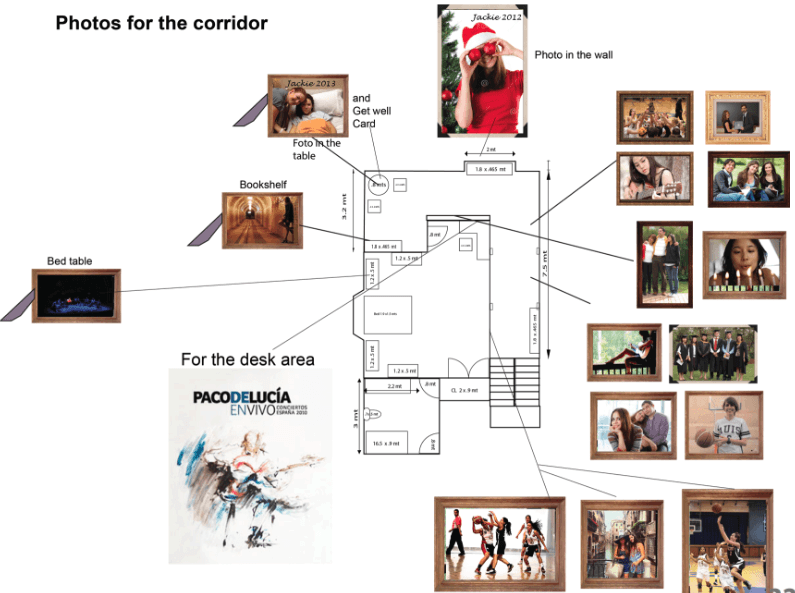
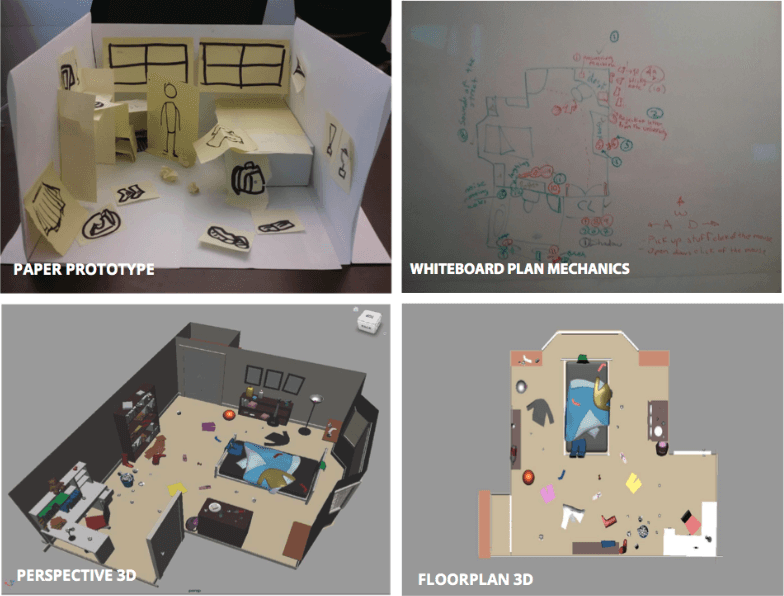
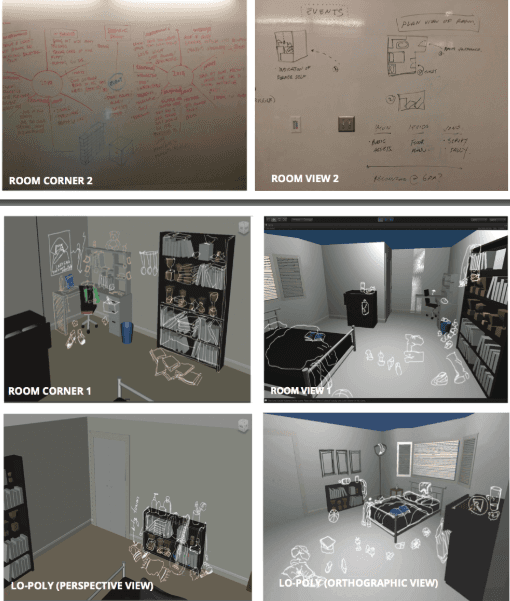
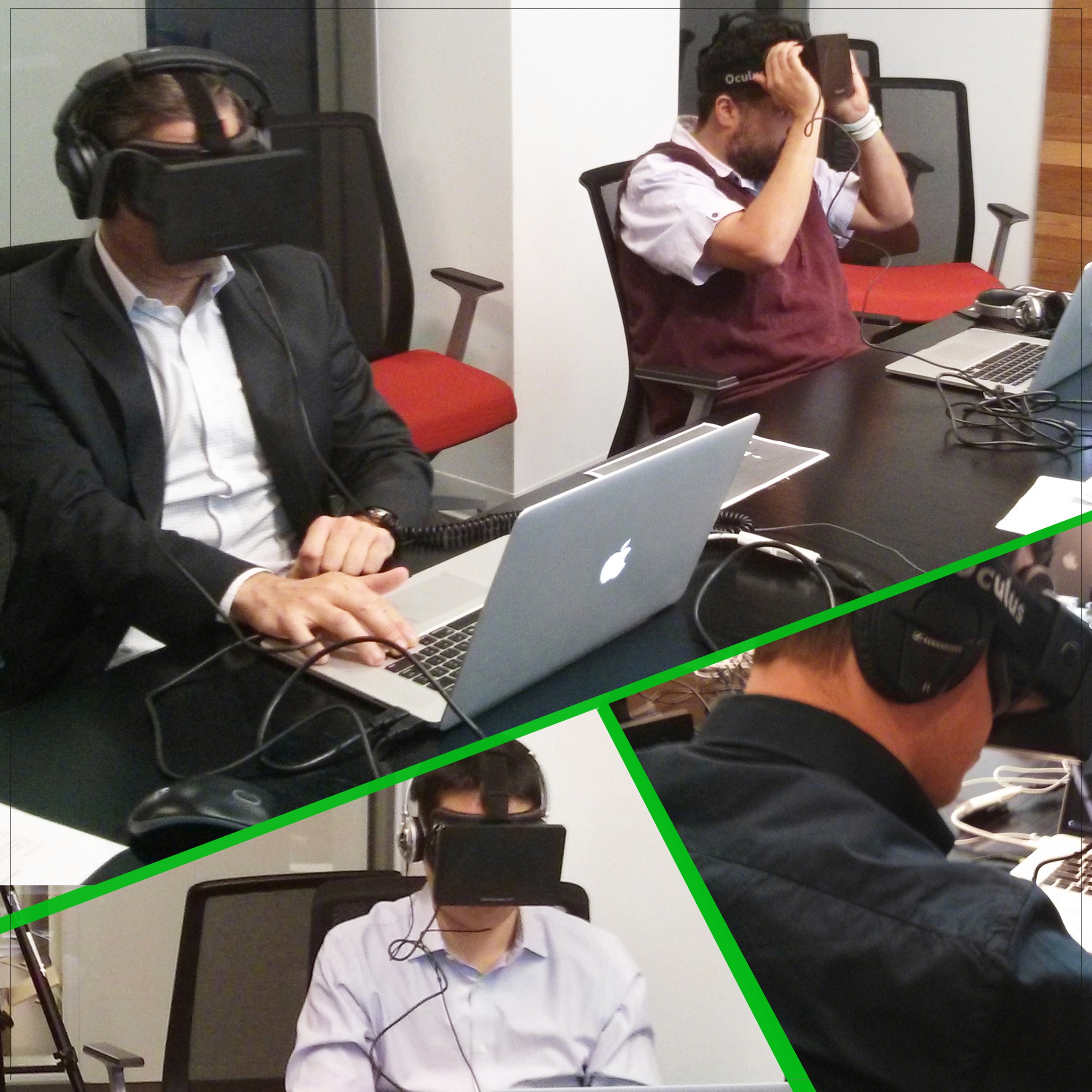
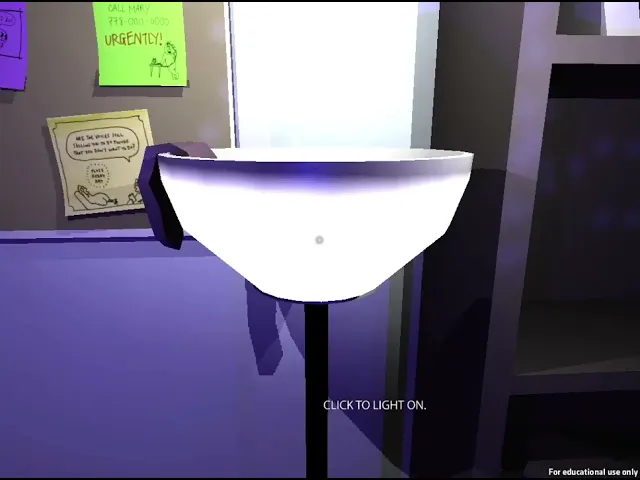
We developed PRISM, a VR experience that immerses users in a day in the life of Jackie, a 19-year-old undiagnosed girl experiencing symptoms of schizophrenia. The user enters a house and moves through the rooms, everything looks normal, until a sound triggers the schizophrenia symptoms. The person suffers the symptoms until they black out and wake up in the hospital.
This interactive story allowed pre-med students to:
Relate to a real-world persona.
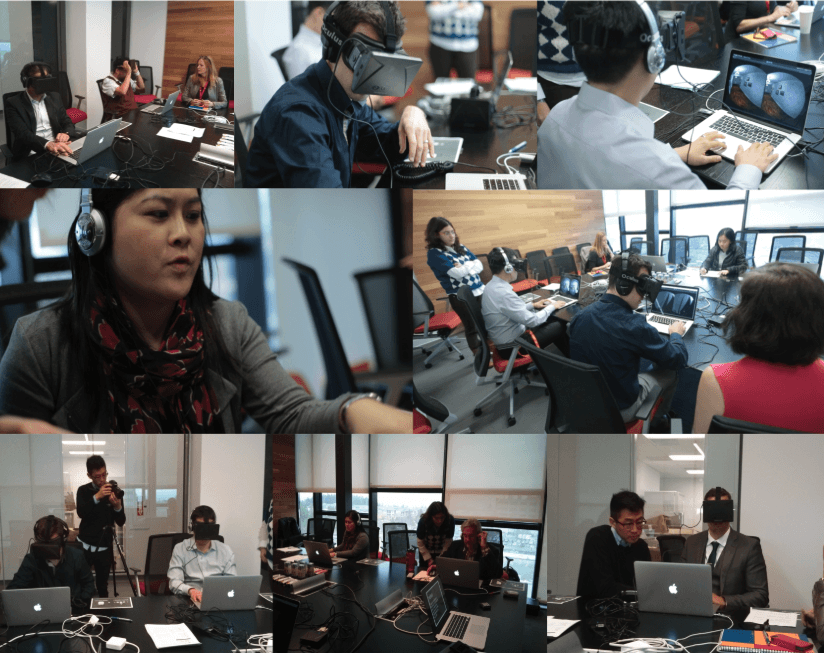
Experience symptoms firsthand in a safe, controlled environment.
Gain insights validated by mental health experts.
Ethical Considerations
Accuracy: All information was validated by experts from UBC, BCSS (British Columbia Schizophrenia Society), and CMHA (Canadian Mental Health Association).
Sensitivity: Avoided assumptions and stereotypes about mental illness.
Representation: Ensured respectful portrayal of a vulnerable subject.
Key Takeaways
Empathy is essential in healthcare education.
VR can bridge the gap between theory and human experience.
Ethical design requires validation, sensitivity, and transparency.
Client:
UBC, BCSS & CMHA
Date:
2014
Role: